My heart is in Nepal today.
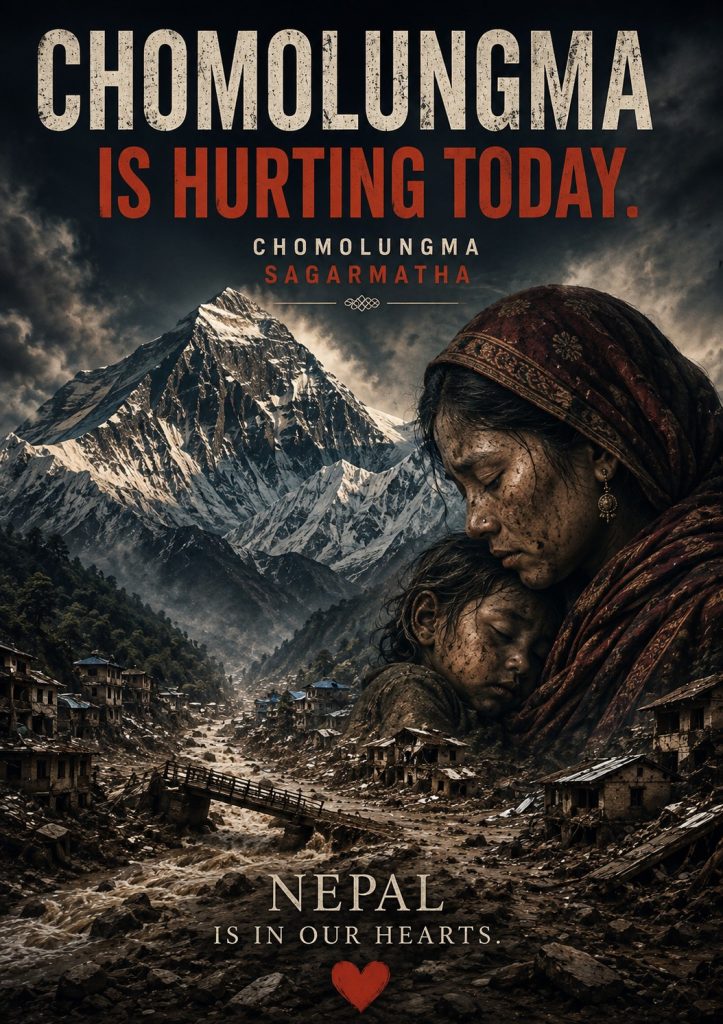
A wall of water, mud, rock and debris has torn through northern Nepal and Tibet. Entire communities have been devastated. People and animals were swept away. Homes, roads, bridges and livelihoods disappeared in minutes. People are still searching for the missing.
As a Canadian, this hits close to home in another way. At the time I am writing this, 25 Canadians are reported missing.
But every person missing is somebody’s person, regardless of what passport they carry.
This one is also deeply personal for me.
From September 1 to 7, 2024, I hiked the rim of the Kathmandu Valley.
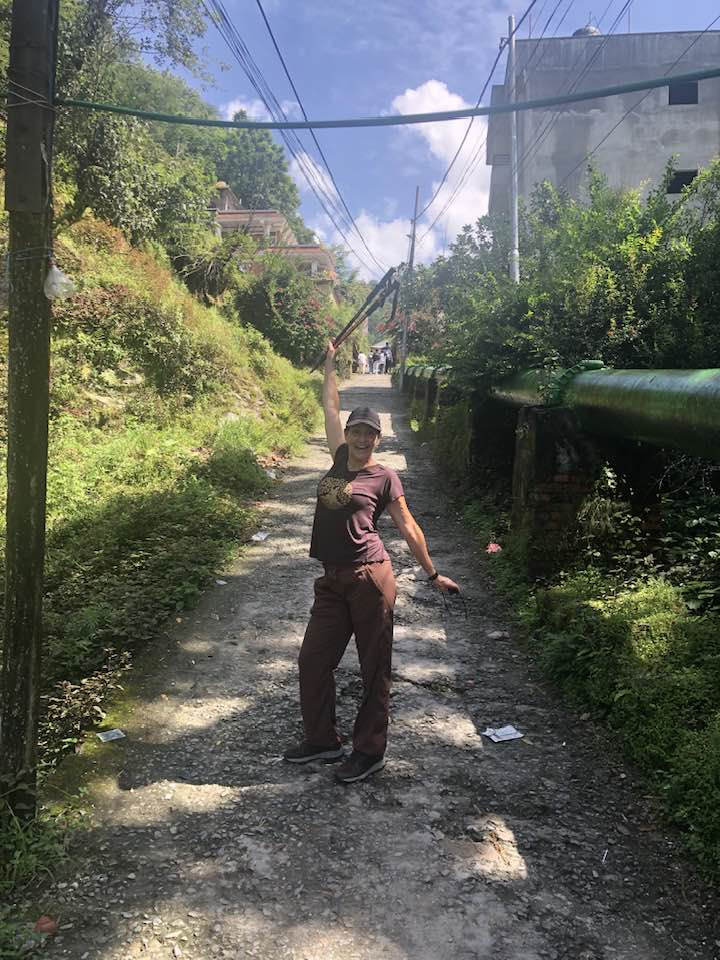
One day, the monsoon hit us hard.
Wicked hard.
Within minutes, our path became a raging river powerful enough that I remember thinking it could take out a car.
For almost the entire week, clouds covered the Himalayas.
Then, as I stood on the tarmac waiting to board my plane home, the sky finally cleared.
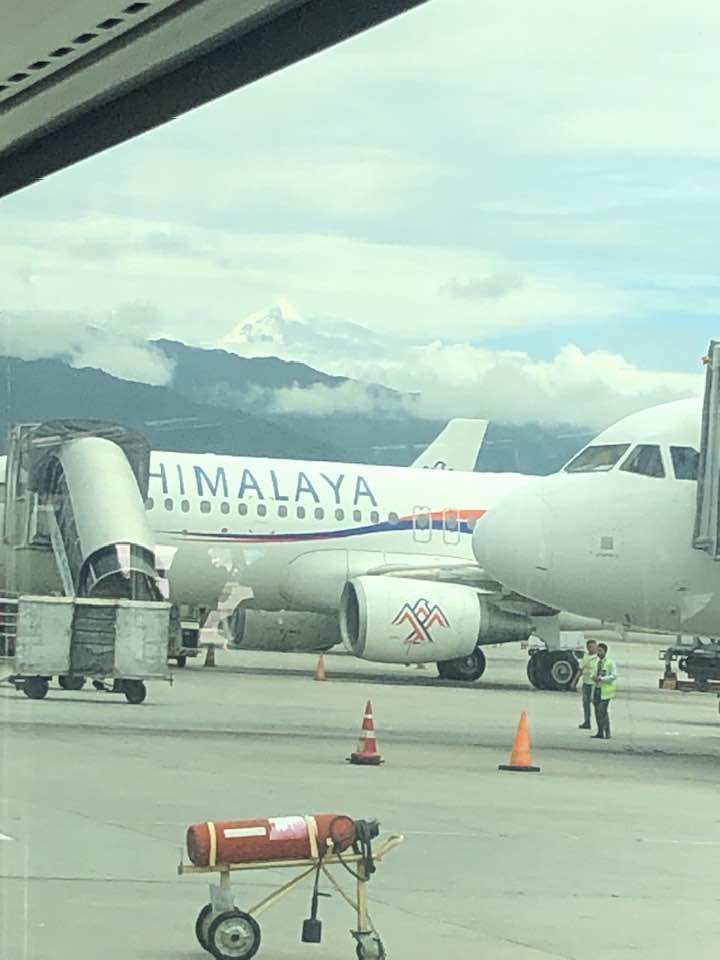
And there she was.
Chomolungma.
Sagarmatha.
The mountain most of us were taught to call Mount Everest.
Chomolungma is her Tibetan name, often translated as “Goddess Mother of the World.”
Sagarmatha is her Nepali name, often translated as “Head of the Sky.”
Goddess Mother of the World.
Head of the Sky.
Those were her names before the British called her Everest.
In 1865, the British named her Everest after Sir George Everest, a former British Surveyor General of India.
She already had names.
And when you know what those names mean, that matters even more.
Today, watching this devastation, I find myself asking a question I cannot answer.
Is Chomolungma sending us a message?
Is the Goddess Mother of the World trying to tell us something?
I do not mean that she is punishing anyone. The people and animals suffering today did absolutely nothing to deserve this.
I mean us.
The rest of us.
We fly across the planet to see these mountains. We climb them. Photograph them. Post them. Sell them. Build businesses around them. Economize them.
I did it too.
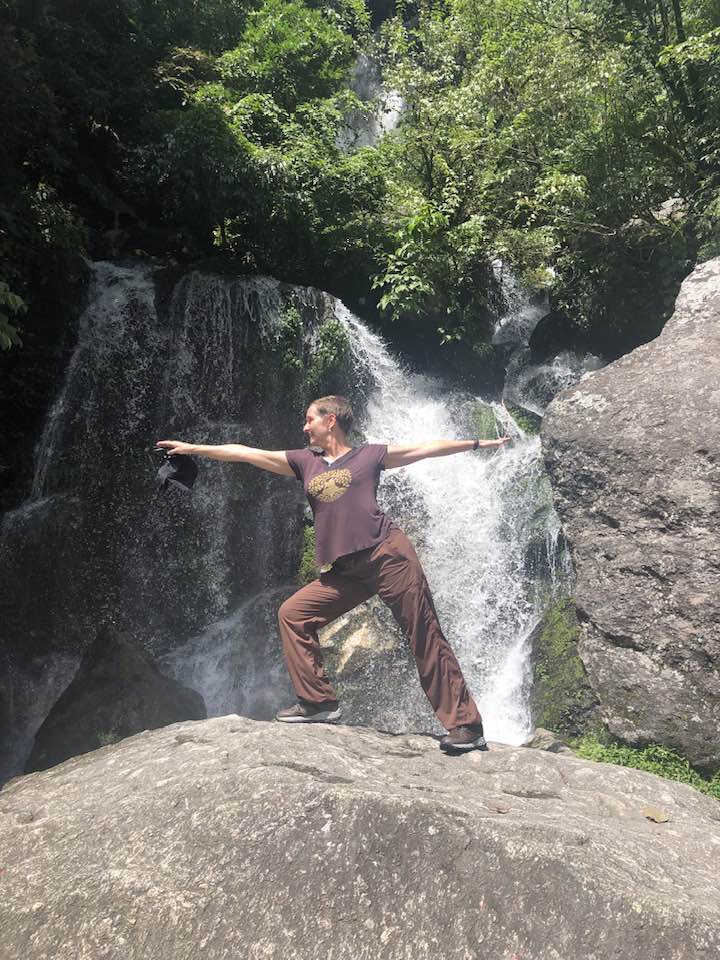
I flew halfway around the world wanting my own little piece of the Himalayas. I wanted to see Chomolungma with my own eyes.
And I did.
Maybe Chomolungma isn’t trying to clean herself up.
Maybe she is asking us to clean up the way we treat her.
I was only a visitor. I got my photographs, my memories and my story, and then I got on an airplane and went home.
The people and animals suffering there today don’t get to do that.
The mountain.
The mother.
The heart.
Nepal got inside me.
Today my heart hurts for her.